
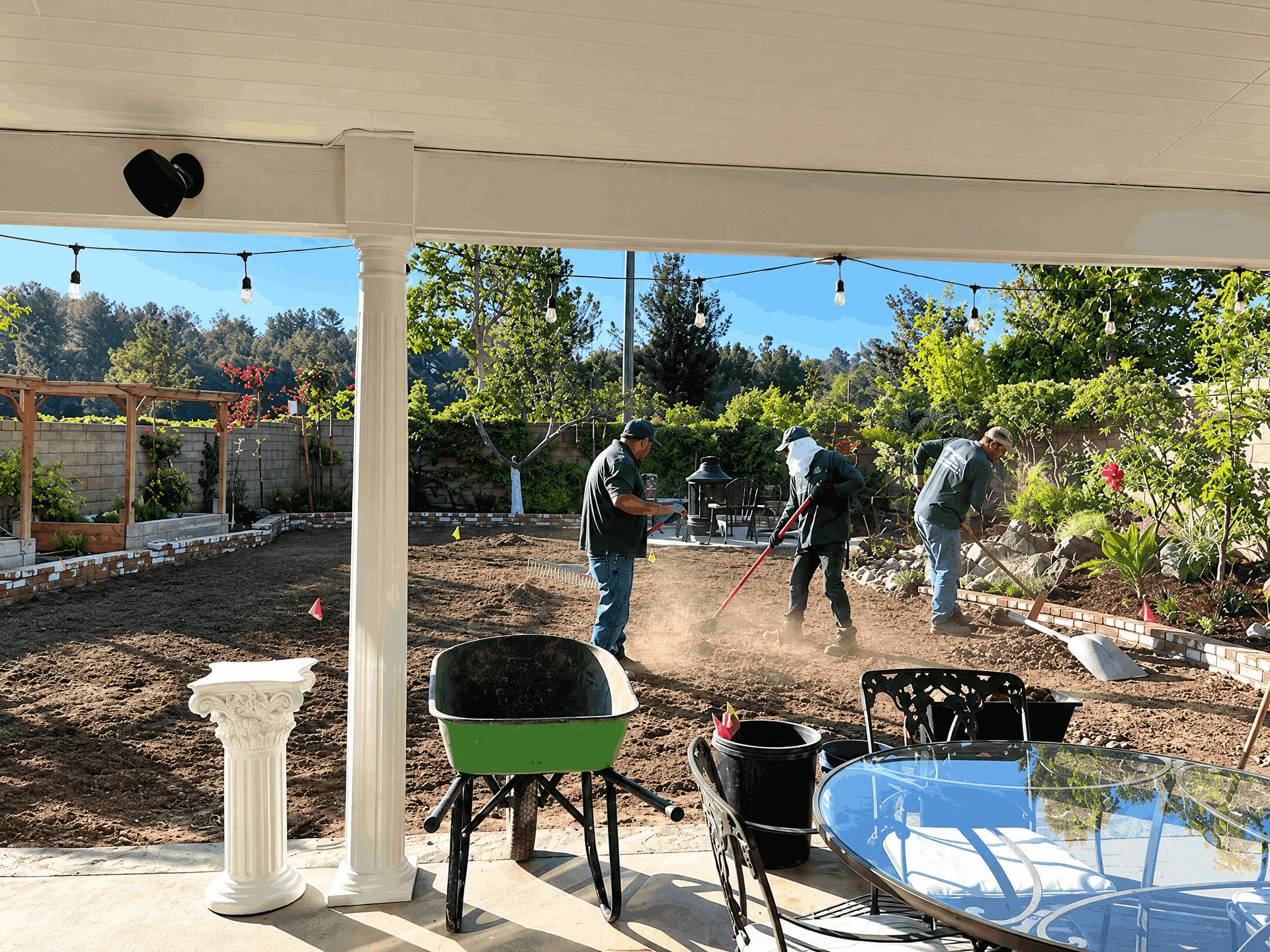
When weeds take over a yard or vacant lot, cutting the visible growth is only part of the job. A useful cleanup should match the property, protect plants and features you want to keep, and address what may cause weeds to return. The right plan depends on the area, type and density of growth, access, slope, irrigation, and whether you need a one-time cleanup or ongoing care.
Leafs-U-Green offers lawn care and weed-abatement services in Lancaster. Before booking, use the questions below to define the work and request an estimate based on your property.
Decide what you want the cleanup to accomplish
A small front yard, an overgrown backyard, a side strip, and a larger lot call for different plans. Before requesting a quote, identify the areas to be cleared and any plants that should remain. Note visible sprinkler heads, drip lines, valve boxes, lighting, garden beds, trees, play areas, stored materials, gates, narrow access points, and slopes. Photos from several corners can help show the site’s condition.
Also consider the result you want. You might need a one-time cleanup before regular maintenance begins, or you might want weeds removed from planting beds while shrubs, groundcovers, and trees are protected. If clearing leaves bare soil, decide whether the area needs new planting, mulch, or follow-up service. A clear scope says what will be cut or pulled, what should be protected, how debris will be handled, and whether another visit is included.
Match the method to the weeds and the site
Different weeds respond to different methods. Annual weeds are often easier to remove while young, before they flower and set seed. Some perennial weeds can regrow from roots or underground parts, so trimming the tops alone may not resolve the problem. In planted beds, aggressive digging or cultivation can also damage nearby plants or shallow irrigation lines.
UC IPM recommends assessing the site and identifying the weeds before choosing a control plan. Soil, slope, drainage, compaction, shade, and water infiltration can all affect the approach. Depending on the area, management may involve hand removal, shallow cultivation, trimming, mulch, and follow-up to remove new growth.
Herbicide is not automatically needed for a cleanup. If a chemical treatment is proposed, ask why it suits the site, how desirable plants and water features will be protected, and what label directions apply. UC IPM cautions that herbicides can injure desirable landscape plants and should be used carefully.
Protect irrigation and landscape features
Before mowing, trimming, digging, or hauling, point out visible sprinkler heads, valve boxes, drip lines, lighting wires, edging, and shallow pipes. Mark shrubs, trees, or groundcovers that should remain. If weeds hide a hole, sharp debris, a utility, or a steep area, ask that it be inspected before equipment moves through it.
For larger lots, confirm where debris will be staged and whether hauling is included. Lancaster lists landfill vouchers for eligible residential Waste Management accounts, with green waste among the accepted materials and a limit of 2,000 pounds per visit. Check current account eligibility, accepted materials, and limits with the City or WM before relying on a voucher; do not assume every contractor load qualifies.
Plan for prevention and follow-up
Bare soil can invite another flush of weeds after a cleanup. In planting beds, strategies such as establishing desired plants to shade the ground, maintaining suitable mulch, and removing young weeds before they set seed can help limit future growth. UC IPM describes three to four inches of medium-sized organic mulch as a guide for landscape beds; the right depth and material depend on the planting and site, so it is not a blanket direction for turf or every landscape feature.
Follow-up needs vary with the season, soil disturbance, irrigation, and type of area. Ask whether recurring service makes sense or whether a one-time project plus simple maintenance is sufficient. No single visit should be assumed to permanently eliminate weeds.
Check fire-related requirements for your property
Some owners seek weed abatement after receiving a fire-clearance notice or because of dry vegetation. Requirements depend on the property and the responsible authority. Los Angeles County Fire Department guidance says a property may be included in its defensible-space inspection program because it is in a mapped fire hazard severity zone or was previously identified as a potential fire hazard. The County’s Agricultural Commissioner also states that its weed-abatement program is not countywide, though it covers most of the County.
If you received a notice, use the notice and the responsible agency to confirm what applies to your address, including the work required and the deadline. Don’t rely on a generic online clearance distance or date. A contractor can perform the physical cleanup, but the scope should be based on the official instructions for your property.
Get a clear estimate
Ask the provider to walk the property, identify the areas included, and explain what is excluded. Discuss whether the work will use hand tools or equipment, how desirable plants and irrigation features will be protected, whether debris will be hauled away, and whether follow-up is included. Price depends on property-specific factors such as area, vegetation density, access, slope, debris, and disposal needs, so request a quote based on the site rather than a generic rate.
Frequently asked questions
Does weed abatement always mean spraying?
No. The approach depends on the weeds and the surrounding landscape. Hand removal, trimming, suitable cultivation, mulch, and follow-up may be appropriate; herbicide is not automatically required.
How often should weed abatement be done?
There is no single schedule for every yard or lot. Timing depends on the season, the type of growth, and whether the property is irrigated, planted, or disturbed during the cleanup.
Can one cleanup prevent weeds from returning?
A cleanup can remove current growth, but it cannot guarantee that new weeds will not appear. Ask what maintenance or prevention steps make sense for the cleared area.
What affects the estimate?
The size and condition of the area, vegetation density, access, slope, protection needs, debris handling, and requested follow-up can all affect the scope and price.
Leafs-U-Green says it has served local homeowners since 2002 and provides lawn-care recommendations based on property conditions. To discuss a yard or lot in Lancaster, visit the lawn-care page or request a free estimate. If irrigation problems are contributing to weeds or uneven growth, the company also offers sprinkler and irrigation repairs.