
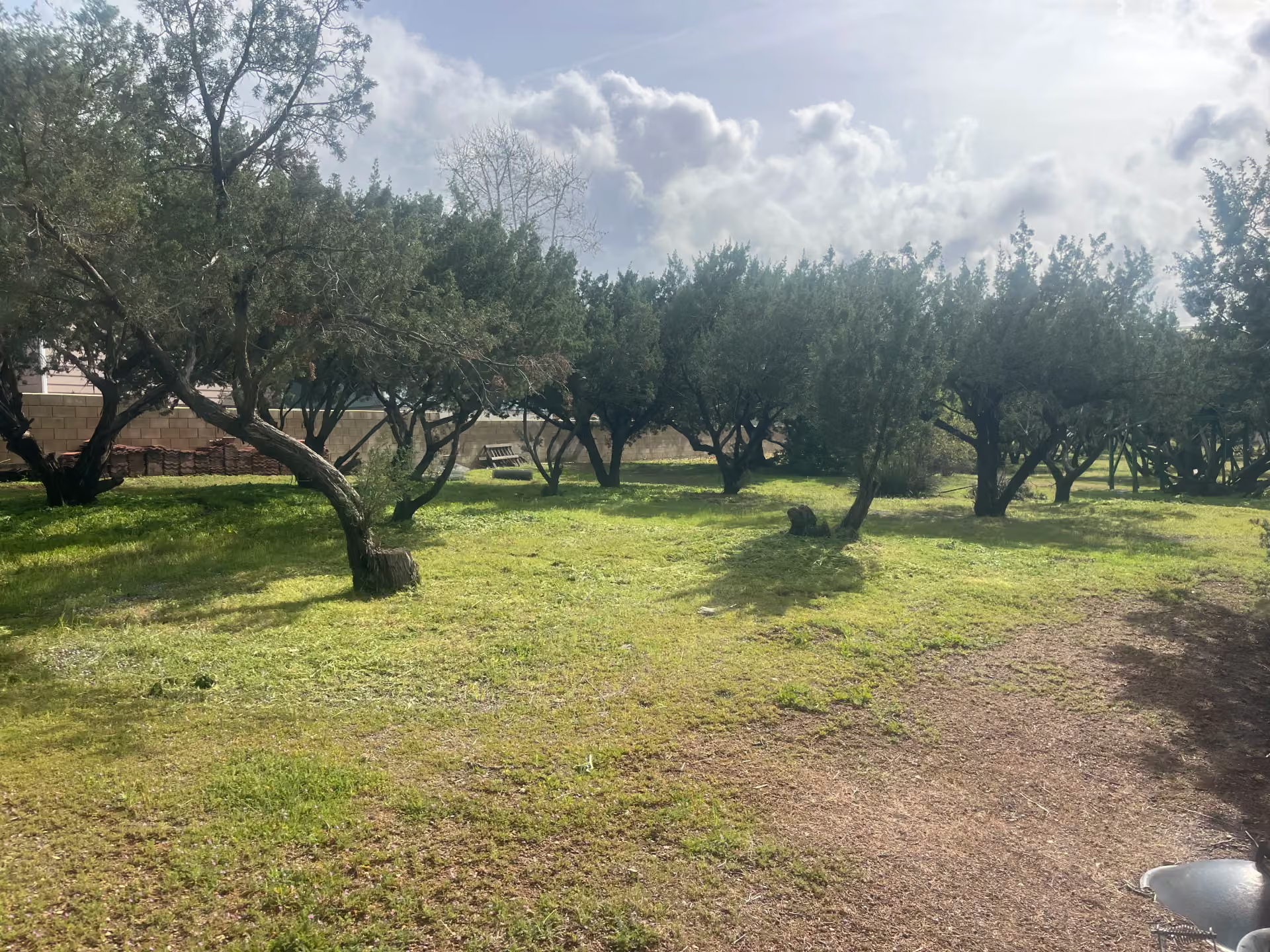
A successful drought-tolerant landscaping installation in Palmdale starts with the property—not a generic list of low-water plants. The layout, soil, sun, irrigation, and how you use the yard all affect which plants will thrive and how much maintenance the landscape will need.
Leafs-U-Green lists landscape construction, planting, sod, drainage, and water-wise landscaping among its services for Palmdale homeowners. A site-specific plan can coordinate those elements while preserving the lawn or outdoor areas that matter to your household. Explore landscape construction services or view landscaping services in Palmdale.
Start with the conditions in your yard
Before removing turf or planting beds, walk the property and note where it gets full sun, afternoon heat, wind, or shade. Look for slopes, low spots, compacted soil, existing trees, and places where sprinklers overspray or water runs off. Also consider how you use each area: a seating space, play area, dog run, privacy screen, or front entry may call for a different design.
The California Department of Water Resources recommends assessing the existing irrigation system, soil, sun conditions, and climate before re-landscaping. Its guidance points homeowners to WUCOLS, a resource for checking landscape plants’ water needs by California region. These tools can help narrow choices, but plant suitability still depends on the conditions at your property.
Palmdale Water District’s planning guidance also encourages homeowners to consider outdoor activities, site conditions, drainage, shade, and water-use zones before choosing a design.
Group plants by water needs and growing conditions
A planting plan is easier to manage when plants with similar water needs and sun exposure are grouped together. This approach, known as hydrozoning, helps avoid watering a low-water planting bed on the same schedule as turf that needs different care.
Use WUCOLS to research plant water-use categories, then check that each selection fits the site’s exposure, soil, mature size, and maintenance requirements. Before approving a plant palette, ask for the common and scientific names of the proposed plants, how large they will grow, and what care they need while becoming established.
A water-wise landscape is not necessarily a no-maintenance landscape. Plants may need regular watering while establishing, and mature beds may still require pruning, weeding, or irrigation adjustments. Discuss the look you want and the level of care you are willing to provide before installation.
Match irrigation to the planting plan
Irrigation equipment should suit the plants and the layout. Drip irrigation may work well for some permanent planting beds, while turf typically needs equipment that waters the lawn area evenly. Drip systems also need suitable components and regular checks for leaks or clogged emitters.
Inspect existing sprinklers and lines for leaks, broken or tilted heads, uneven coverage, and overspray onto pavement. A smart controller can help manage a schedule, but it cannot correct faulty equipment or uneven water application. Its settings still need to reflect the plant types, sun exposure, soil, slope, and irrigation method. If you notice persistently wet ground or suspect a leak, see Leafs-U-Green’s sprinkler and irrigation repair service and guide to finding a sprinkler-zone leak.
If water runs off a slope or compacted area, ask whether the design needs shorter irrigation cycles with breaks, soil preparation, or a different layout. The installer should explain how the zones are divided, how to adjust them, and what to watch for after the system is running.
Plan the installation and estimate
A landscape refresh may involve removing existing material, preparing soil, grading, installing or adjusting irrigation, placing plants, adding mulch, and cleaning up. The right sequence depends on the project. Before work begins, ask what surfaces will be disturbed and how the crew will protect existing trees, utilities, lighting, and hardscape.
A clear estimate should describe the work areas, plant and material assumptions, irrigation scope, soil preparation, and any exclusions. The cost depends on the property and the work required, so request a site-specific estimate rather than relying on a generic price per square foot. If sod will remain or be installed in part of the yard, coordinate it with the watering system; Leafs-U-Green’s sod and sprinkler installation example shows how those elements can be planned together.
Check rebate requirements before removing turf
Water-provider programs and service boundaries can vary, so confirm which provider serves your address before relying on a local incentive. As of October 2026, Palmdale Water District’s website says its Water-Wise Landscape Conversion program is accepting applications. The District’s FAQ describes rebates of up to $3,000 per household for qualifying front-yard conversions. It also says the application must be approved before landscaping work starts.
If you are considering the program, check the District’s current application, plant requirements, and project rules before removing turf or starting installation. Its FAQ says eligible projects must use approved plants and meet a mature living-plant coverage requirement. Do not assume that a rebate will apply until you have verified your address and received the required approval.
Frequently asked questions
What plants work for a water-wise yard in Palmdale?
There is no single plant list that suits every property. Check regional water-use guidance such as WUCOLS, then confirm each plant’s sun, soil, mature-size, and maintenance needs. If applying for a Palmdale Water District conversion program, also check its current plant requirements before settling on a palette.
Do drought-tolerant plants need irrigation after installation?
Often, yes—plants may need supplemental watering while their roots establish. The amount and schedule depend on the plant, soil, weather, and site conditions. Ask for establishment guidance as part of the installation plan.
Do I need to remove all my lawn?
No. A design can keep lawn where it serves a real purpose and use different planting and irrigation zones elsewhere. If you are pursuing a utility incentive, check the program’s rules; Palmdale Water District’s current FAQ describes its conversion rebate as applying to qualifying front-yard projects.
How much does drought-tolerant landscaping installation cost?
The price depends on the areas being changed and the work involved, including removal, soil preparation, grading, irrigation changes, plants, mulch, and other materials. Ask for an itemized estimate based on your property so you can compare what is included.
To plan a water-wise yard that fits your property and routines, request a site-specific landscape construction estimate from Leafs-U-Green.